

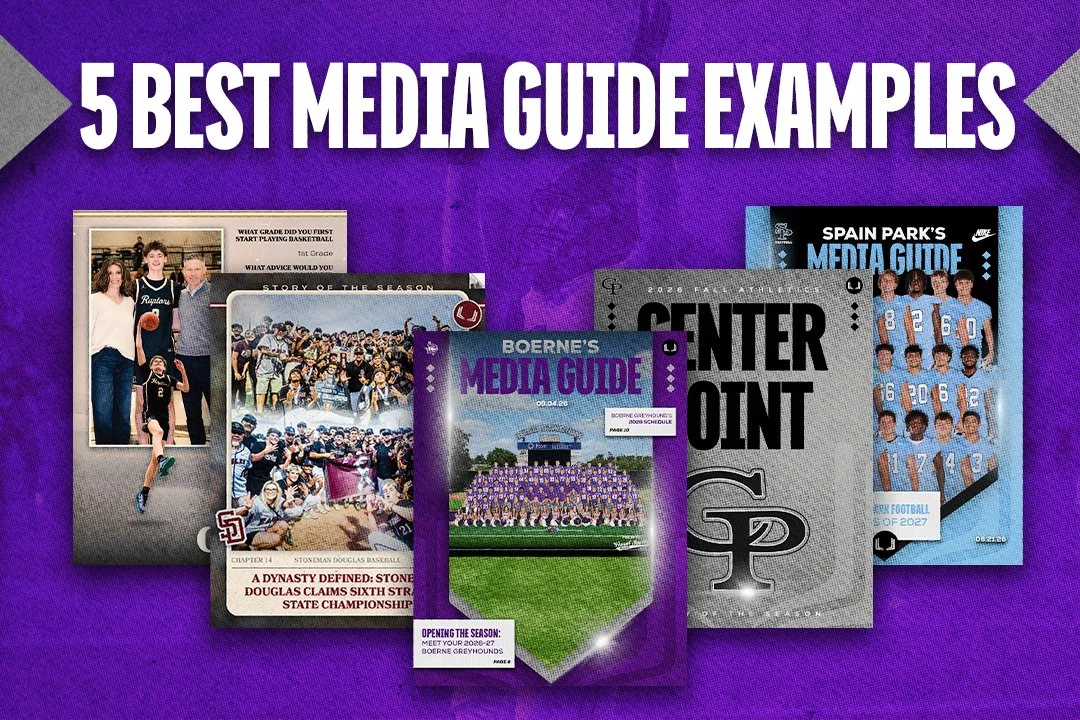
5 Best Media Guide Examples
If you’re looking for the best media guide examples for football, basketball, baseball, hockey or any sport you’ve come to the right place. We’ve put together some of the best examples of media guides from high school sports teams. Story of the Season provides some of the best media guide examples that are both digital and print. Read below to see a variety of different media guides from a variety of different sports. Hopefully you can gain some inspiration for your team’s media guide.
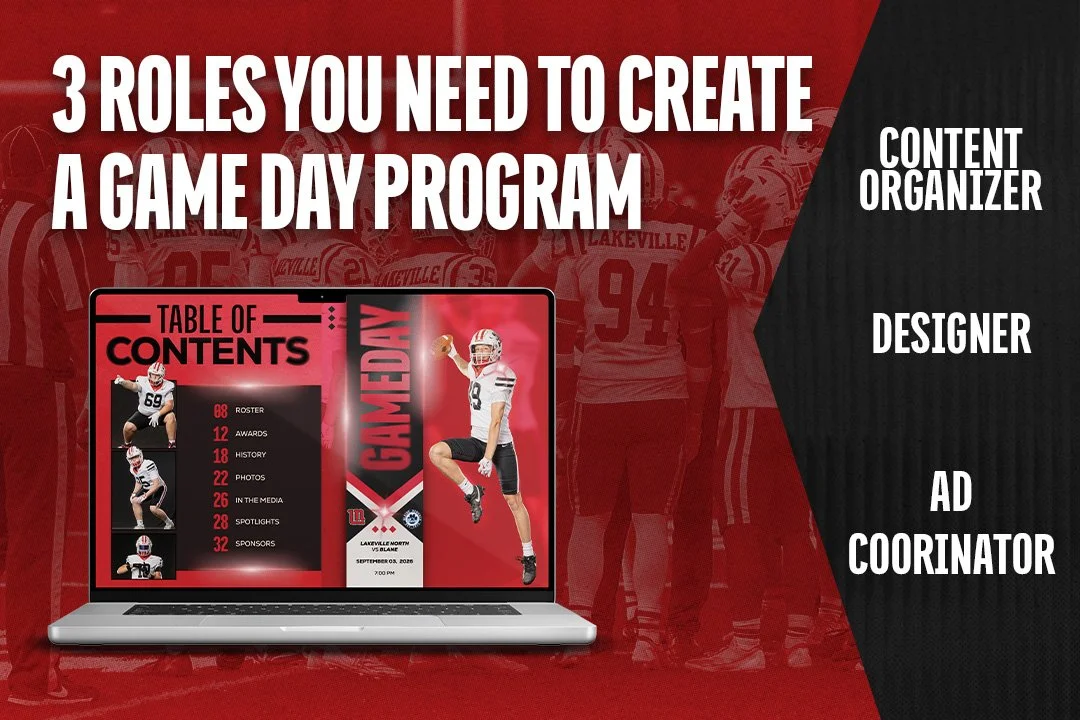
3 Roles You Need to Create a Game Day Program
Every team should have a game day program for the upcoming season. Creating a game day program can be difficult if you try to do it all yourself. We've identified the 3 roles needed for creating a game day program. Read how to divide up the work and easily create a game day program for your high school sports team.
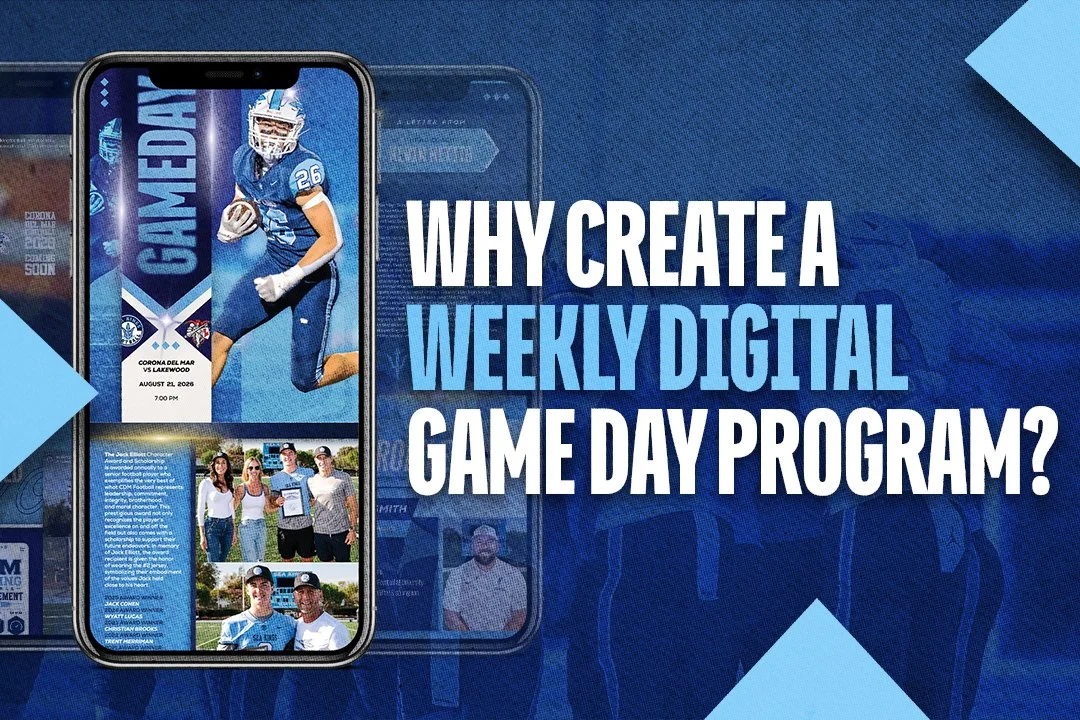
Why Create a Weekly Digital Game Day Program?
Traditional game day programs are typically a one time printed publication at the beginning of the season. A team will create their program, buy printed copies and hand it out at games for fans and parents. This is the way most teams across the country do their game day program. A one time, “set it and forget it” approach. Digital game day programs have become more popular in the last few years as they are easily shareable and allow for weekly media coverage all season long. But why is weekly media coverage beneficial for a high school sports team? Read below to learn more.
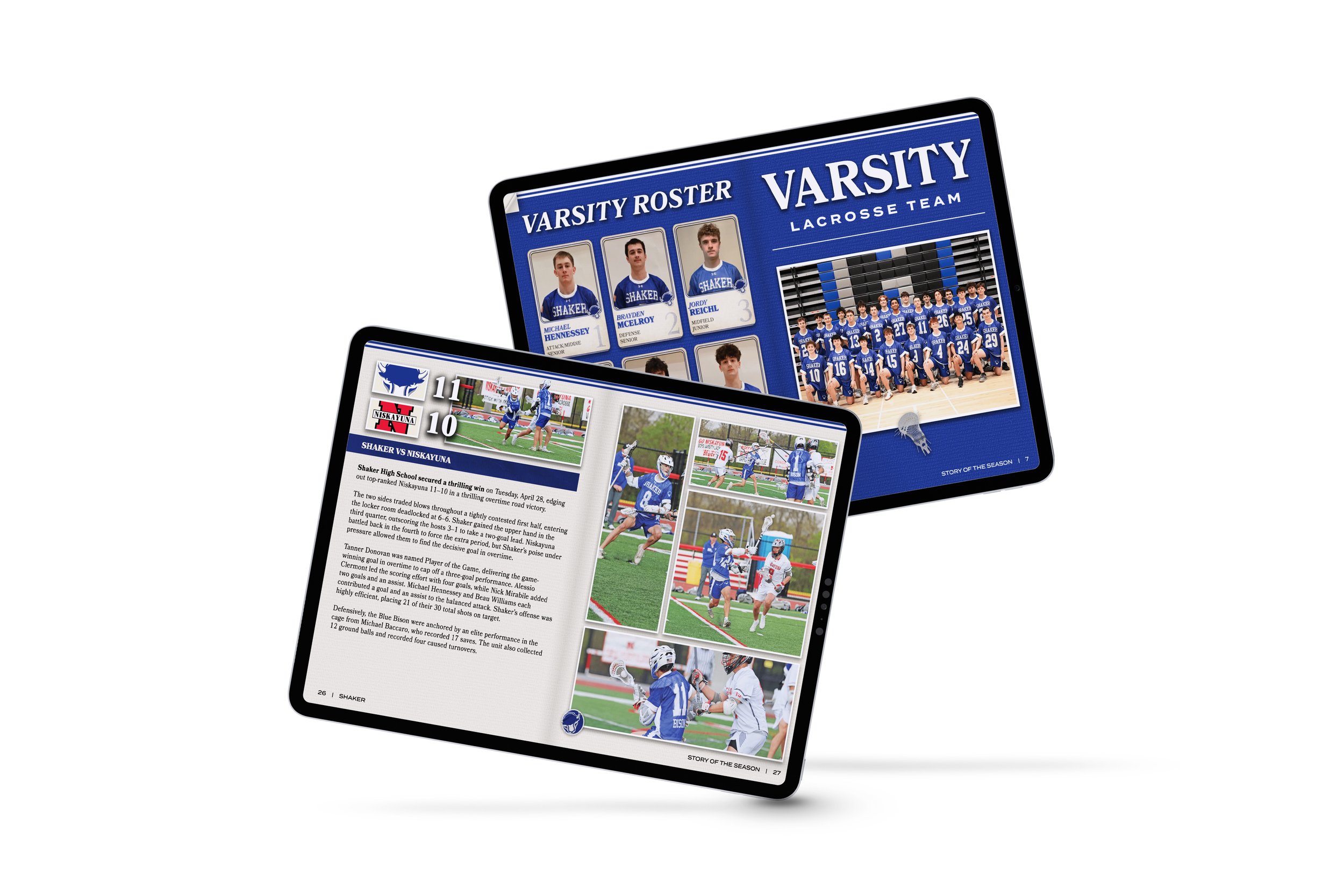
Top 5 Reasons You Should Create a Game Day Program for Your Team
Creating a game day program may seem like just one more thing to do before the season gets started but it should be an essential part of your team. Game day programs provide so many benefits to the team, its players and the community. Read below on why your team should create a game day program this season.
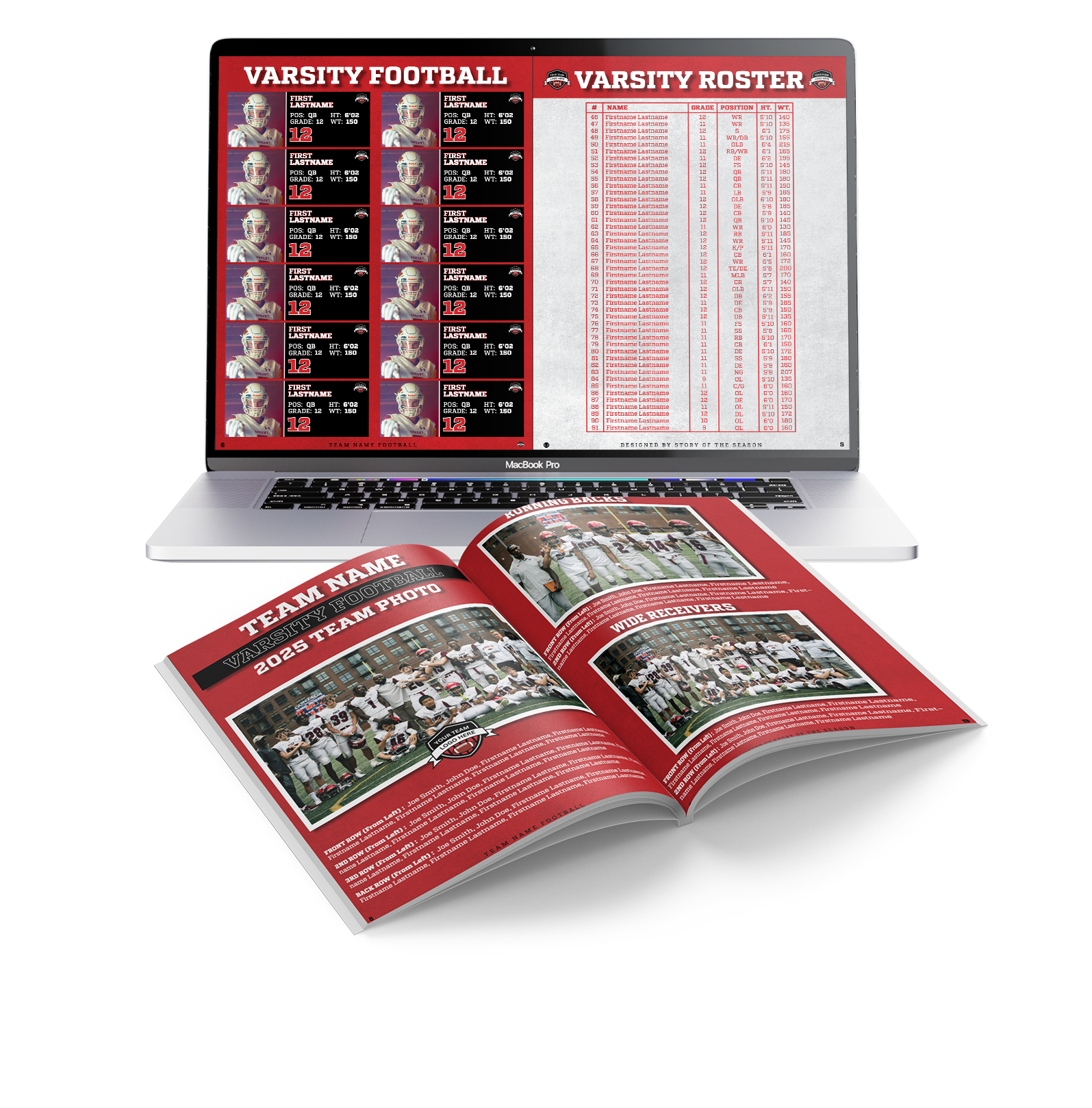
How To Create a Gameday Program For Your Sports Team
Gameday programs can include everything from rosters, coaches info and game schedules to more personalized pages like senior spotlights, historical program stats or a letter from the head coach. They can be digital and accessed on phones or printed and sold at games. They are a great addition to the season but can be tricky to create if you aren’t sure where to start. Read below to get a full rundown of how you can create a gameday program for your team.
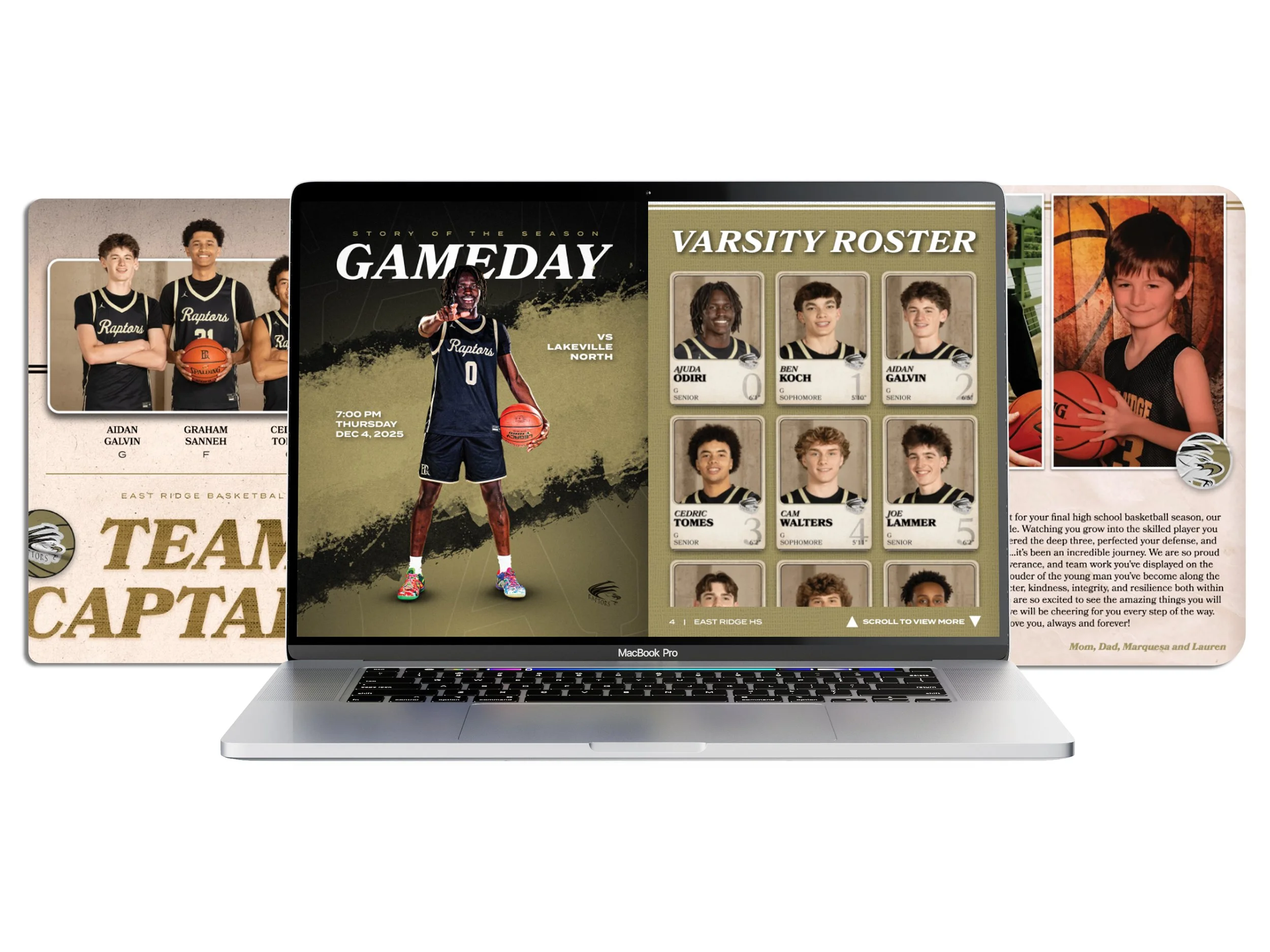
How Our Sports Game Day Programs Have Grown Over 6 Years
Story of the Season is entering its 6th year of providing high school sports teams with the best game day programs. Just like the high school sports landscape, our sports game day programs have evolved and changed. We went from producing only high school football media guides to working with every high school sport under the sun. We wanted to take a moment to appreciate how our game day programs have evolved tremendously yet our mission of helping high school head coaches has remained untouched.
Printing Your Media Guide
Printing your media guide turns your season into a keepsake that players, families, and fans can hold onto forever. While digital guides offer quick access, a printed version adds sentimental value and elevates the experience—whether used at games, displayed at banquets, or saved as a season-long memento. In this chapter, we break down why a hybrid digital-and-print approach works best, how to manage print quantities and orders, what to consider when choosing a printer, and how to distribute your guides effectively. From file setup tips to smart printing strategies, this guide helps you create a polished, high-quality media guide that showcases your team, supports your sponsors, and becomes a treasured part of your program’s history.

How to Share Your Digital Media Guide
Launching your digital media guide is only the beginning—getting it into the hands of your fans is where the real impact happens. With a shareable URL, you can spread your guide through email lists, social media, QR codes at games, team websites, newsletters, and even gameday announcements. The more people who view your guide, the more value you deliver to sponsors and the stronger your program becomes. By promoting your guide strategically, you’re not just going digital—you’re elevating your team’s brand, boosting community engagement, and setting the stage for even greater support next season.
Hosting Your Media Guide Digitally
Going digital with your high school sports media guide or gameday program gives your team and sponsors a powerful advantage. A digital guide extends your reach beyond the bleachers — allowing parents, alumni, and fans everywhere to stay connected and support your program. With features like clickable sponsor logos, embedded videos, and trackable analytics, digital hosting platforms such as Issuu, Google Drive, and FlippingBook make your guide interactive, accessible, and cost-effective. Whether you go fully digital or use a hybrid print-and-online approach, promoting your media guide through social media, email, and QR codes ensures your program shines far and wide.
Proof Reading and Editing Best Practices
Proofreading may be the final step in creating your media guide, but it’s one of the most important. A thorough review helps you catch errors, confirm details, and ensure names and stats are correct before publishing. Check out our 11 proofreading tips to keep your media guide polished, professional, and error-free.
How to Design: Additional Optional Pages
Looking to make your team’s media guide more meaningful? Beyond the essentials, you can include creative and personalized pages that highlight your players, coaches, and community. From Q&As and interviews to sponsor thank-yous and program history, these additions help tell your team’s full story both on and off the field.
How to Design: Photo Galleries
Photo galleries add energy and emotion to your media guide, capturing game-day moments and giving players recognition beyond their roster photos. From highlighting a wide range of athletes to maintaining clean spacing and ensuring photos stay clear and visible, this guide walks you through the essentials of designing professional, memorable photo gallery pages.

How to Design: Senior Spotlights
Senior spotlights are a powerful way to honor graduating players and turn your media guide into a lasting keepsake. From collecting survey responses and favorite memories to showcasing photos that capture their journey, these pages celebrate each athlete’s story. With thoughtful design and even optional video interviews, senior spotlights make your guide both personal and unforgettable.

How to Design: Game Schedule
The game schedule page is one of the most important parts of your media guide—it’s where fans, parents, and players turn for all the essential details. From dates and opponents to kickoff times and special events, accuracy is key. With the right design, you can make your schedule not only informative but also visually appealing by adding photos, bolding home games, and even including a QR code for real-time updates.

How to Design: Team and Positional Photos
Team and positional photos bring your media guide to life by showcasing players beyond just headshots. A full team photo highlights the entire squad, while positional photos let readers see the groups that make up the team. With the right layout, titles, and player names, these pages give your guide a polished, professional look and ensure every athlete gets recognized.

How to Design: Rosters and Coaches Pages
Designing strong roster and coaches pages is essential for any media guide. Rosters give every player their spotlight, whether through a simple number-and-name list or detailed roster cards with headshots and stats. Coaches’ pages highlight the leaders who shape the program, complete with photos, titles, and short bios to recognize their impact. With clear layouts, consistent formatting, and thoughtful design, these pages not only inform but also celebrate the people who make your team what it is.

Designing Your Media Guide
This is where your media guide truly comes to life. With content gathered and pages planned, it’s time to focus on design. The goal is to create a professional, cohesive guide that’s both easy to navigate and visually engaging. In this chapter, we’ll walk you through choosing the right design software—whether it’s a professional tool like Adobe InDesign or a beginner-friendly option like Canva—along with best practices for layouts, fonts, colors, and branding. You’ll also learn how to add interactivity with hyperlinks and QR codes, and how to keep your pages consistent, clutter-free, and reader-friendly. By the end, you’ll have everything you need to design a media guide that stands out while delivering the essential information your team and fans rely on.

Gathering Media Guide Content
Before you can design a polished media guide, you need the right content. Start with the essentials—rosters, coach bios, schedules, and team photos—then add personal touches like senior spotlights, feature articles, and fun Q&As to make your guide unique. High-quality photos and an organized file system will keep the process smooth and stress-free, while also ensuring your final product looks professional and meaningful for your team and community.

How to Crush your Ad Sale Fundraiser with Athletes and Parents
Want to supercharge your team’s fundraiser? Involving athletes and parents in ad sales creates shared responsibility, stronger buy-in, and big results. Just look at Bishop Verot High School Football, where every player was asked to sell one ad—they’ve raised over $40,000 each year for the past three years. The secret? Clear expectations, strong organization, and active leadership from coaches and boosters. With the right tools—like polished rate cards, sales scripts, and simple payment systems—your team can turn ad sales into a reliable, high-impact fundraiser that builds community support and long-term program strength.

How to Effectively Sell Sponsors with your Booster Club
Selling sponsorships is one of the most powerful ways booster clubs can fund their programs and build lasting community relationships. From forming a dedicated sponsorship committee and pricing packages to targeting the right businesses, personalizing outreach, and following up consistently—this guide walks you through every step to secure more sponsors and keep them coming back year after year.